region Choose your Region
Home / CNC Machine Comparison / How to Choose the Right Used CNC Machine for Your Manufacturing Business

How to Choose the Right Used CNC Machine for Your Manufacturing Business

Choosing the right used CNC machine can have a direct impact on your production capacity, machining quality, operating costs, and long-term return on investment. With hundreds of machine models and configurations available, manufacturers need to look beyond price and select equipment that matches their actual production requirements.

From machine type and specifications to condition, controller, maintenance history, and total ownership cost, this guide explains the key factors to evaluate before buying a used CNC machine for your manufacturing business.

Key Takeaways

  • Define your production requirements before selecting a machine.
  • Choose the CNC machine type based on your components and machining operations.
  • Compare important specifications such as travels, spindle, table capacity, tooling, and controller.
  • Calculate the complete purchase cost, not just the machine’s asking price.
  • Inspect the machine’s mechanical, electrical, spindle, and control condition.
  • Consider age together with usage and maintenance history.
  • Evaluate brand, controller familiarity, spare parts, and technical support.
  • Choose a supplier that provides accurate information and a transparent buying process.

1. Start With Your Manufacturing Requirements

The right used CNC machine should be selected around the work you need to produce—not around a particular brand, model, or attractive price. Before comparing machines, make a clear list of the components you manufacture and the machining operations they require.

Start by identifying the material, component dimensions, tolerances, machining operations, production volume, and expected future requirements. This gives you a practical specification for the machine you actually need.

Key Questions to Ask Before Choosing a Machine

  • What materials will you machine? Aluminium, steel, stainless steel, cast iron, and other materials can place different demands on the machine.
  • What are the component dimensions? Your largest component should fit comfortably within the machine’s work envelope and axis travels.
  • What operations are required? Determine whether you need milling, drilling, tapping, turning, threading, boring, or multiple operations in one setup.
  • What accuracy is required? Precision components may require a machine with better condition, rigidity, repeatability, and suitable specifications.
  • What is your production volume? A machine suitable for occasional job-shop work may not be the best choice for continuous high-volume production.

Also consider your future workload. If your business is expected to grow, choosing a machine with some additional capacity can prevent another major equipment investment in the near future.


2. Choose the Right Type of Used CNC Machine

Once your production requirements are clear, the next step is selecting the appropriate type of CNC machine. Different machines are designed for different machining applications, so choosing the correct category can have a major impact on productivity.

Machine TypeBest Suited ForImportant Considerations
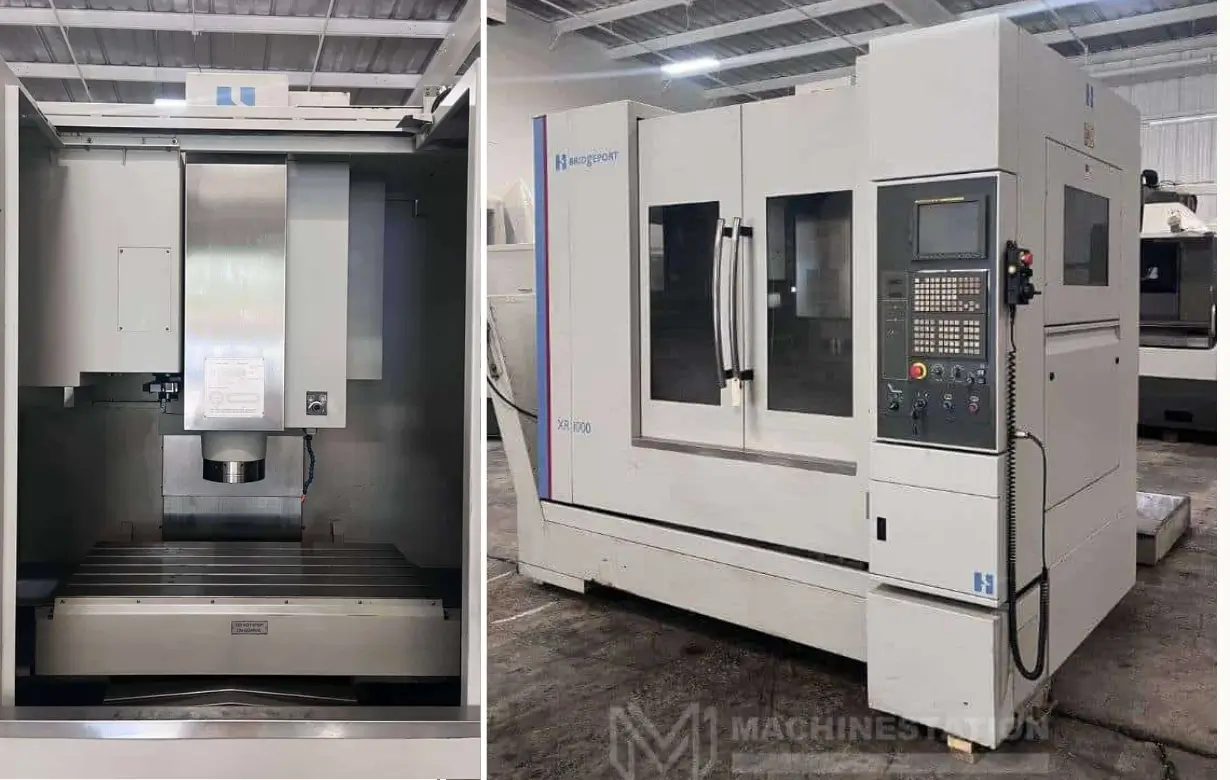
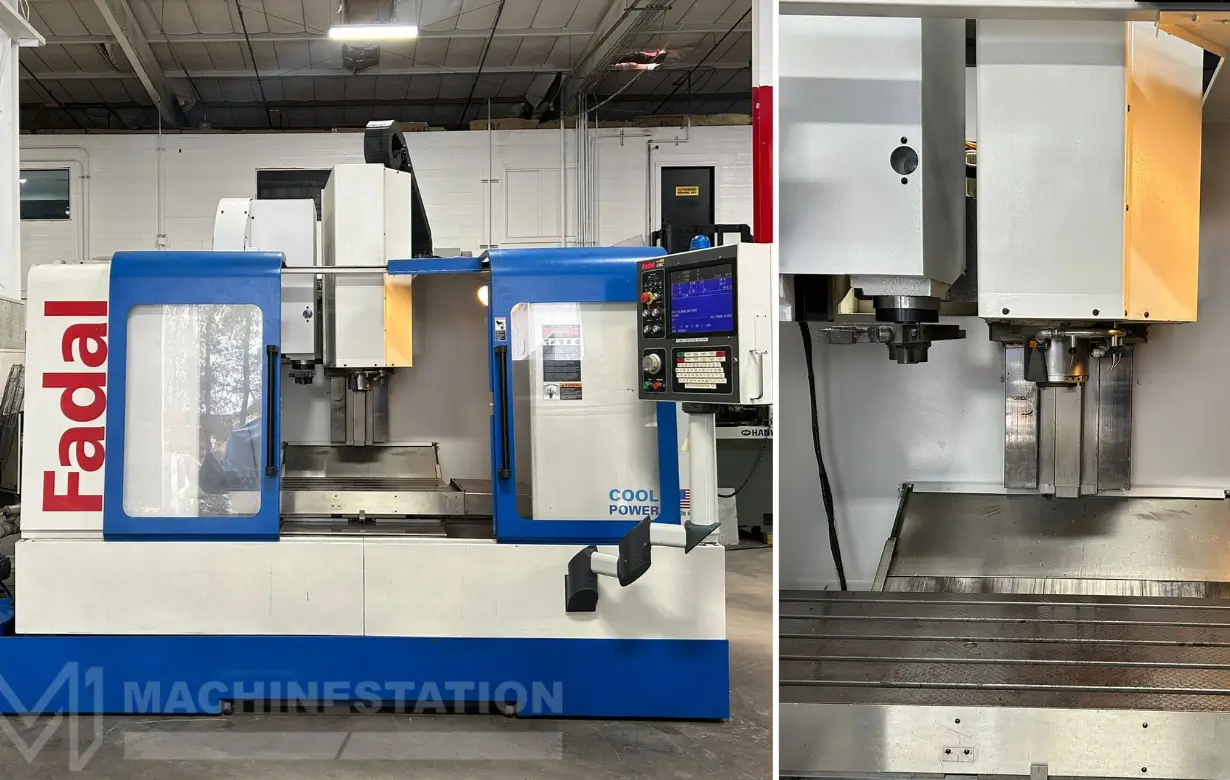
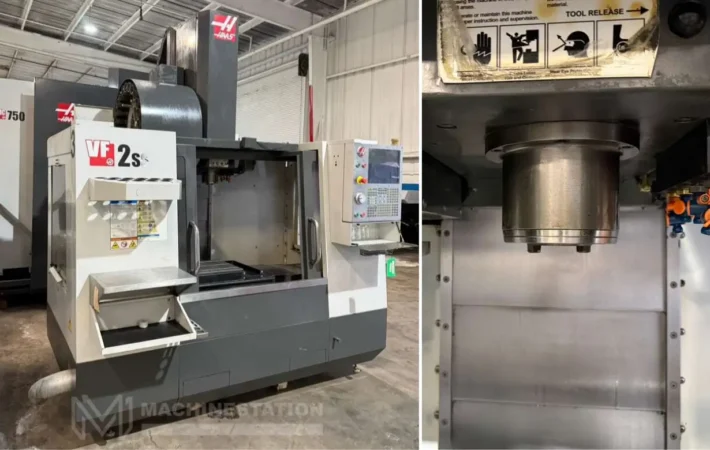
Vertical Machining Center (VMC)Milling, drilling, tapping, dies, molds and general componentsTravels, table size, spindle, tool capacity and controller
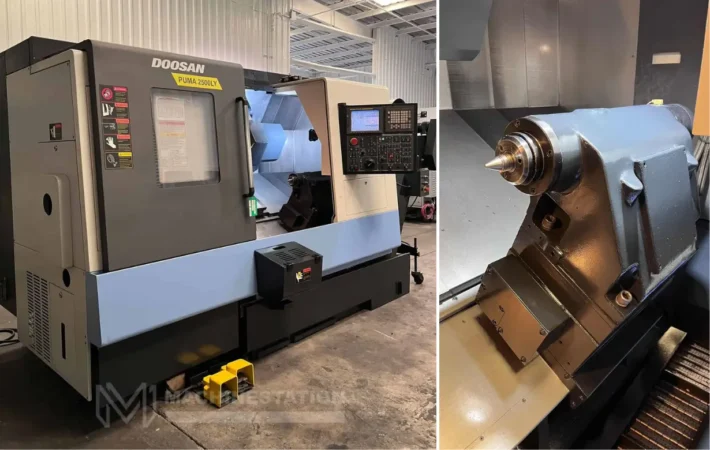
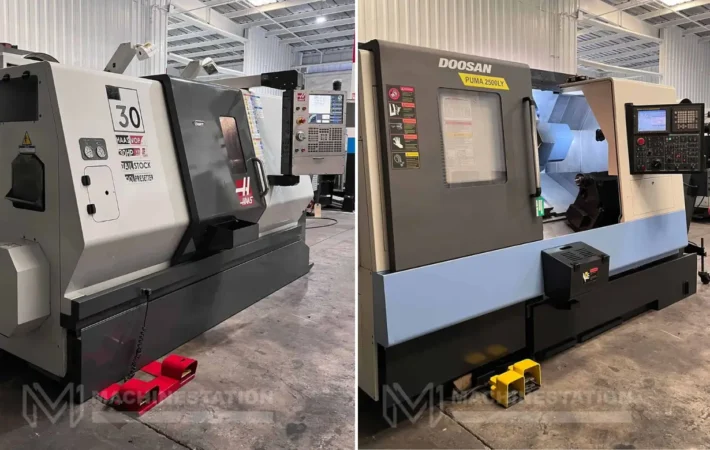
CNC Turning CenterShafts, bushes, flanges and other rotational componentsChuck size, turning diameter, turning length and spindle bore
Horizontal Machining Center (HMC)High-volume and multi-sided machiningPallet system, spindle, travels and tool magazine
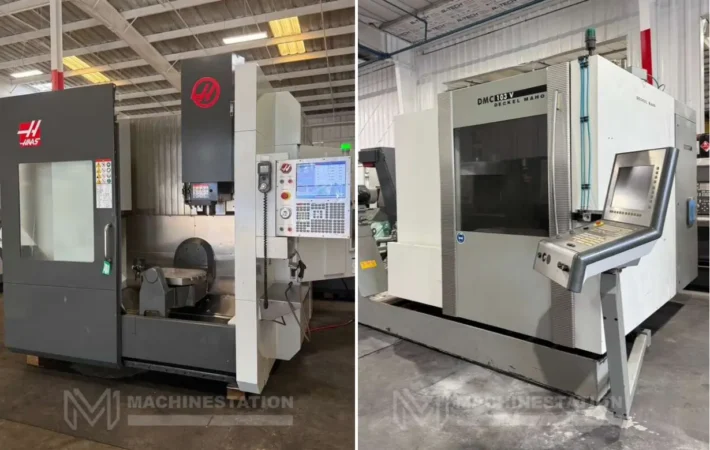
5-Axis CNC MachineComplex components and multi-axis precision machiningAxis configuration, rotary system, controller and machine condition

VMC or CNC Turning Center?

If your components are primarily prismatic or require milling and drilling, a VMC may be the more appropriate choice. If your work consists mainly of cylindrical components, a CNC turning center or CNC lathe will generally be better suited to the application.

Manufacturers with high production volumes or components requiring machining on multiple faces may also benefit from an HMC. Meanwhile, complex aerospace, medical, die and mold, or other precision applications may justify considering a 5-axis machine when the application requires it.

The goal is not to choose the most advanced machine available. It is to choose the machine that performs your required operations efficiently and consistently.


3. Compare the Specifications That Actually Matter

After identifying the right machine category, compare individual machines based on the specifications that affect your production. Two machines from the same category can offer very different capabilities, so the model name alone is not enough to make a buying decision.

Important CNC Machine Specifications

  • Axis travels: Check whether the X, Y, and Z travels provide enough capacity for your components and tooling.
  • Table or workholding capacity: Make sure the table size and maximum workpiece weight are appropriate for your application.
  • Spindle speed and power: Match spindle performance with the materials, cutters, and machining operations you perform.
  • Spindle taper: Confirm compatibility with the tooling already used in your facility.
  • Tool magazine capacity: Make sure the number of available tool stations is sufficient for your typical programs.
  • Controller: Check the CNC control, programming compatibility, availability of support, and overall operating condition.
  • Rapid traverse and feed rates: These can influence cycle time and overall production efficiency.

Do not automatically assume that higher specifications mean better value. A machine with a very high spindle speed, large travels, or an oversized tool magazine may add little value if your components do not require those capabilities.

Instead, prioritize specifications that directly affect your production. This approach can help you avoid paying more for features you may rarely use.


4. Set a Realistic Budget for the Complete Purchase

The advertised price of a used CNC machine should not be treated as the complete investment. Before making a purchase, calculate the total cost of bringing the machine into production at your facility.

Costs to Consider

  • Machine purchase price
  • Transportation and freight
  • Loading, unloading, and rigging
  • Installation and machine leveling
  • Electrical and facility preparation
  • Tool holders, cutters, and workholding
  • Initial servicing or repairs
  • Operator training and commissioning

For example, choosing a machine that consumes your entire equipment budget may leave insufficient funds for tooling, installation, or immediate maintenance. A slightly lower-priced machine in better condition can sometimes provide greater practical value because more capital remains available for getting the equipment into production.

When comparing used CNC machines, therefore, look at the total investment required to make the machine productive, not just the seller’s asking price.

If you are currently evaluating available machines, you can explore MachineStation India’s used CNC machine inventory and compare machines according to your production requirements and budget.

Need Help Choosing the Right Used CNC Machine?

Share your component requirements, preferred machine type, production needs, and budget with our team. We can help you identify used CNC equipment that matches your manufacturing requirements.

Request a Quote from MachineStation India

5. Check the Machine Condition Before Buying

Once you have shortlisted the right machine type and specifications, the next step is evaluating its actual condition. Two machines with similar specifications and age can have very different values depending on how they were operated, maintained, and serviced.

A proper inspection helps identify potential repair costs and reduces the risk of unexpected downtime after purchase.

Key areas to inspect

  • Spindle: Check spindle noise, vibration, runout, temperature, and overall operating condition.
  • Axes: Check axis movement, backlash, positioning accuracy, and abnormal noise.
  • Ways and ballscrews: Look for excessive wear, damage, or signs of poor maintenance.
  • Tool changer: Verify that tool changes are smooth and reliable.
  • Controller: Check the CNC control, display, alarms, memory, and operating functions.
  • Hydraulic and lubrication systems: Check for leaks and confirm that the systems operate correctly.
  • Electrical components: Inspect the electrical cabinet, wiring, fans, and visible signs of overheating.
  • Overall condition: Review the machine structure, enclosure, table, chuck or workholding system, and general maintenance condition.

Whenever possible, request an operational test or video inspection before finalizing the purchase. A machine that performs properly under actual operating conditions provides much stronger buying confidence than one evaluated only from photographs.

Key Takeaway:
Never evaluate a used CNC machine only by appearance. Its mechanical, electrical, spindle, and controller condition can have a much greater impact on its actual value.

6. Consider Age, Usage, and Maintenance — Not Age Alone

The manufacturing year of a used CNC machine is important, but it should not be the only factor in your decision. A well-maintained older machine can sometimes be a better investment than a newer machine that has experienced heavy usage or poor maintenance.

What should you evaluate?

  • Manufacturing year: Understand how old the machine is and whether its technology fits your production requirements.
  • Operating history: If available, review information about previous usage and production environment.
  • Maintenance history: Look for evidence of regular servicing and component replacement.
  • Working hours: Machine hours can provide useful context when combined with its physical condition.
  • Major component condition: Spindle, ballscrews, drives, motors, hydraulics, and controller condition should be considered.

For example, a 10-year-old CNC machine that has been properly maintained may offer excellent production value, while a significantly newer machine with excessive wear could require substantial investment after purchase.

The goal is therefore to evaluate remaining useful life and production reliability, rather than simply choosing the machine with the lowest age.

7. Evaluate the Brand and CNC Controller

Brand and controller selection can affect machine reliability, operator familiarity, maintenance, spare-part availability, and long-term usability. When choosing a used CNC machine, consider whether your team already has experience with the machine’s control system.

Well-established CNC brands can also make it easier to find technical support, experienced operators, and replacement components, depending on the machine model and location.

Important considerations

  • Controller familiarity: Check whether your operators are comfortable using the existing CNC control.
  • Control condition: Inspect the display, keyboard, memory, alarms, and other control functions.
  • Spare parts: Consider the availability of critical replacement components.
  • Technical support: Check whether qualified technicians are available for the machine and controller.
  • Software and compatibility: Confirm that the controller supports your programming and production requirements.

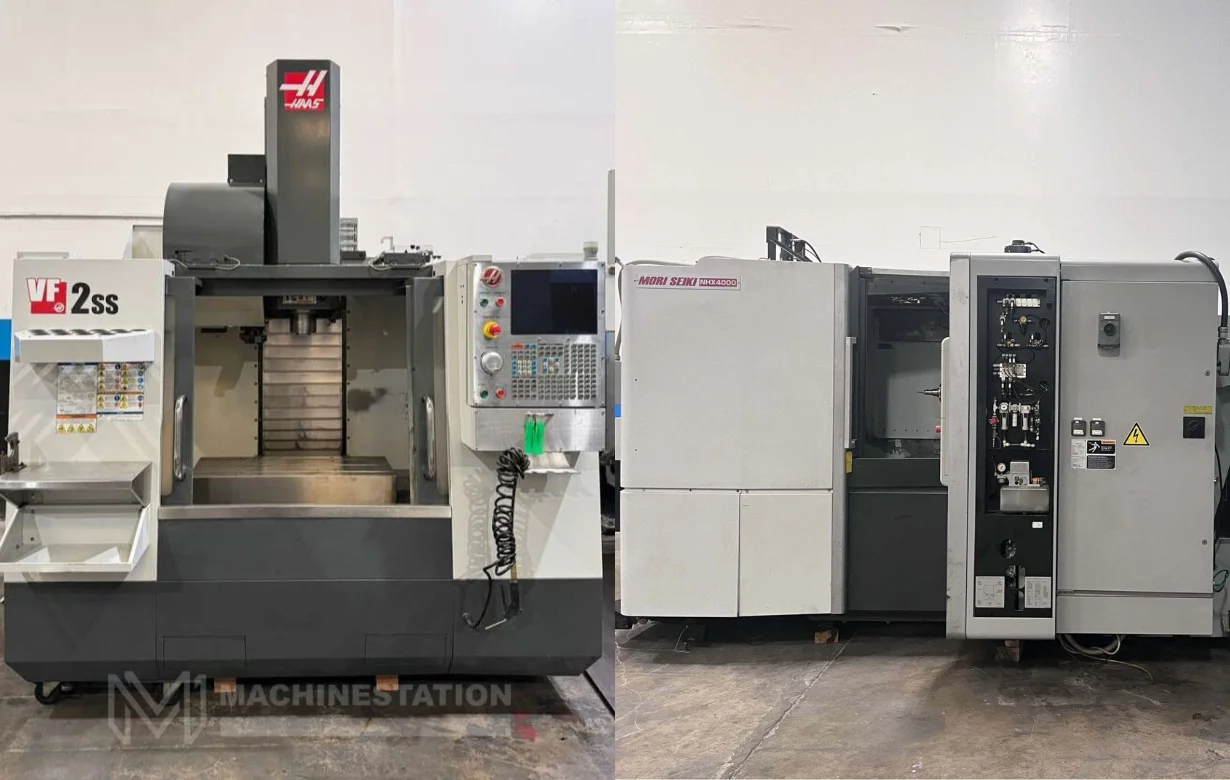
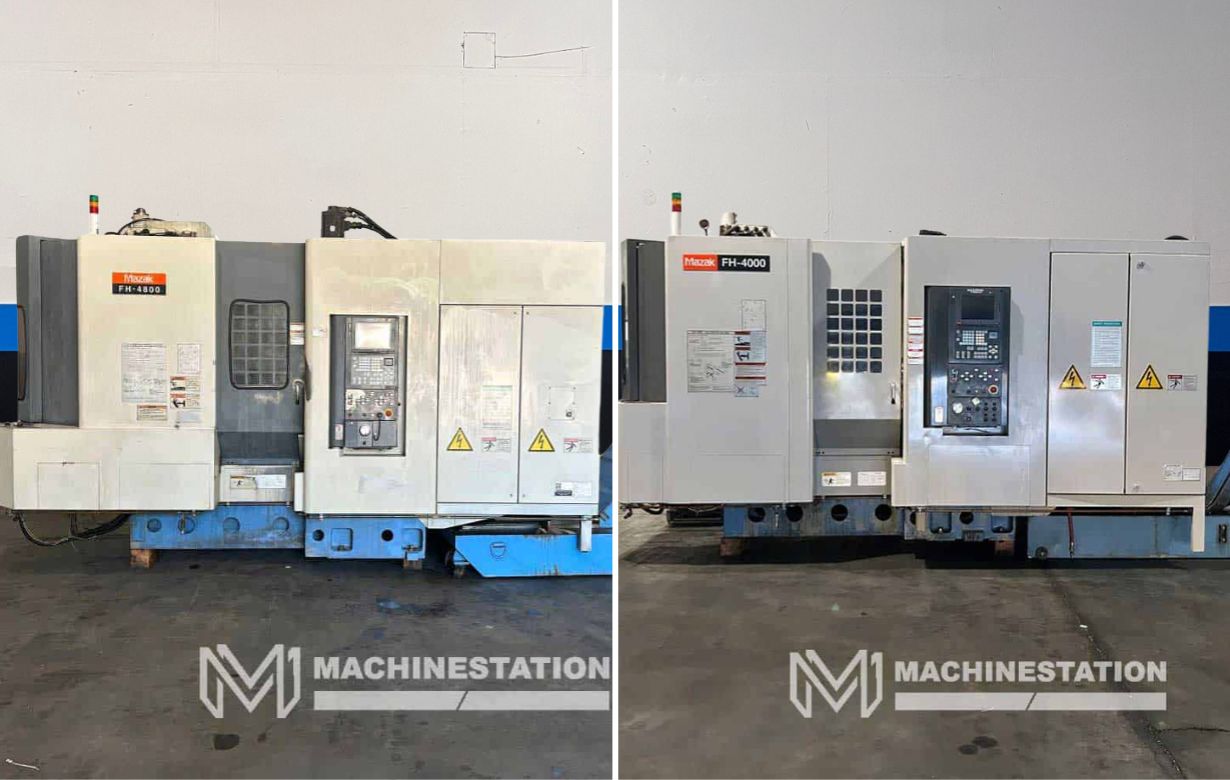
Machine brands such as DMG MORI, Haas, Mazak, Okuma, Doosan, Takisawa, and other established manufacturers can be considered based on the specific model, condition, specifications, and availability of support.

However, brand name alone should never replace a proper machine inspection. A good brand with poor mechanical condition may still be a poor purchase.

8. Choose a Reliable Used CNC Machine Supplier

The supplier you purchase from can be just as important as the machine itself. A reliable supplier should provide accurate machine information and help you understand the machine’s condition, specifications, location, and purchasing process.

Before finalizing the purchase, ask:

  • Are the machine specifications accurate and complete?
  • Can the machine be inspected or demonstrated?
  • Is a video inspection available if an in-person inspection is not possible?
  • What is the machine’s current location and availability?
  • Are transportation and installation requirements clear?
  • Can the supplier provide additional machine information or service details?
  • Is after-sales assistance available when required?

Transparency is particularly important when purchasing used industrial equipment. Clear information about the machine’s specifications and condition allows you to calculate the total investment more accurately and make a better purchasing decision.

If you are currently comparing machines for your manufacturing operation, you can explore the available used CNC machines at MachineStation India and compare machines based on type, specifications, condition, and production requirements.

For specific machine requirements or purchasing assistance, you can also contact MachineStation India to discuss your application and machine requirements.

Key Takeaway:
A reliable supplier should make the machine evaluation process transparent, provide accurate information, and help you understand the machine before you commit to the purchase.

Conclusion: 

Choosing the right used CNC machine is ultimately about finding the right balance between production requirements, machine specifications, condition, total cost, and supplier reliability. The cheapest machine is not always the best investment, and the newest machine is not necessarily the right choice for every manufacturing business.

If you are looking for a used CNC machine in India, explore the current used CNC machine inventory at MachineStation India or contact our team to discuss your manufacturing requirements.

FAQs:

1. How do I choose the right used CNC machine for my business?

Ans: Start with your production requirements, including component size, material, machining operations, tolerances, production volume, and budget. Then compare suitable machine types, specifications, condition, and total ownership costs.

Ans: Inspect the spindle, axes, ballscrews, ways, controller, tool changer, hydraulic and lubrication systems, electrical components, and overall machine condition. An operational test or video inspection can also help evaluate performance.

Ans: There is no single machine that is best for every business. A VMC may be suitable for milling and drilling operations, while a CNC Turning Center is generally more appropriate for cylindrical components. The right choice depends on your specific production requirements.

Ans: Yes, but age should be considered alongside operating history, maintenance, machine hours, component condition, and remaining useful life. A properly maintained older machine can still provide strong production value.

Ans: No. The purchase price is only one part of the total investment. Transportation, rigging, installation, tooling, servicing, repairs, and other costs should also be considered before making a decision.

Product has been added to your cart