region Choose your Region
Home / Blogs / Top Things to Check Before Buying a Used CNC Machine

Top Things to Check Before Buying a Used CNC Machine

Buying used CNC machines can be confusing and tough, as you have several options and opinions to consider. But the experience doesn’t necessarily need to be so tough. There can be some risks, but if you know how to mitigate those risks, then you can get a good deal, as there are several used CNC machines out there in the market that can give high quality machining performance at a lower cost than a brand new machine. So, if you want a proper used CNC machine buying guide, read this blog till the end.
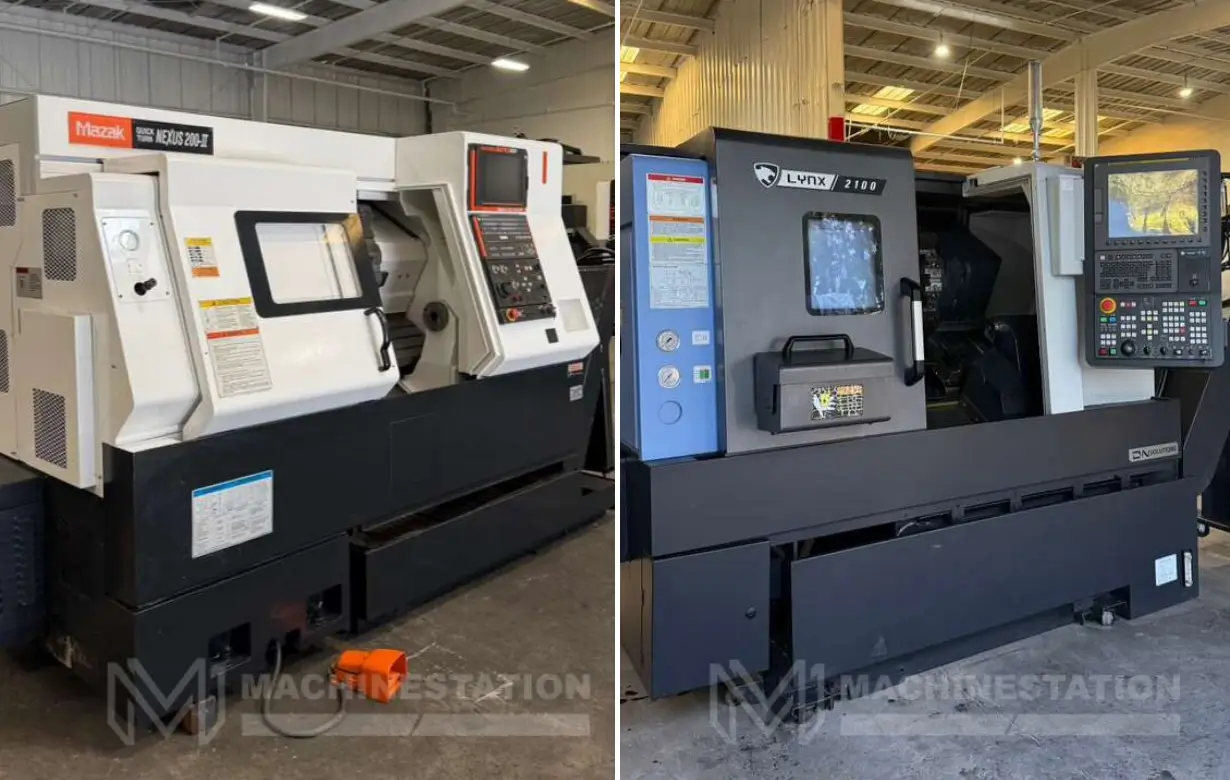
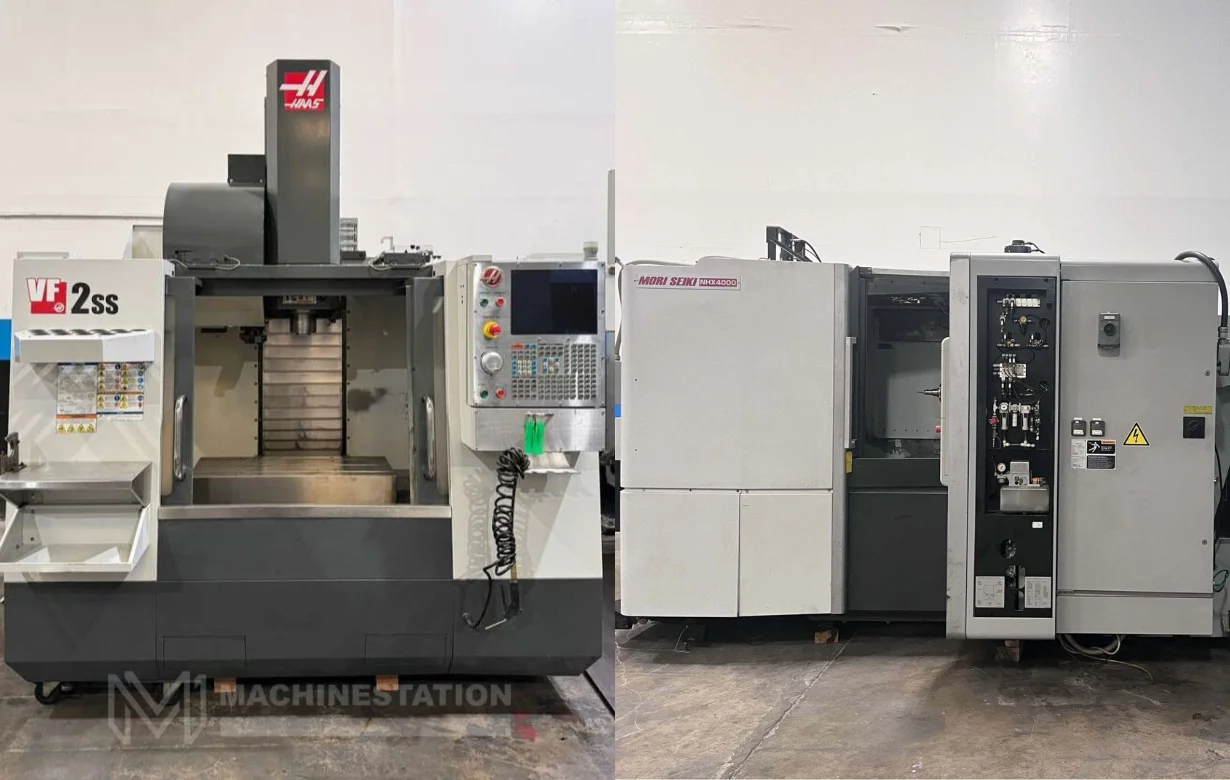
Top Things to Check Before Buying a Used CNC Machine:

1. Check Overall Machine Condition:

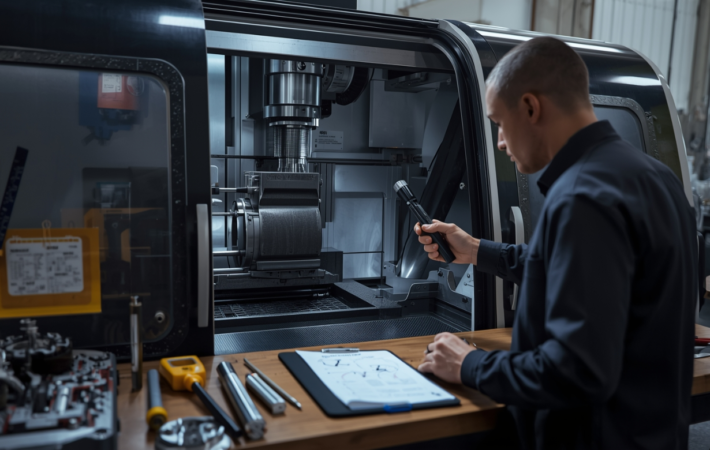
The first item on your used CNC inspection checklist should be the general physical condition of the CNC machine. But a machine’s appearance cannot tell the full story, but it can often provide clues about how the previous owner maintained it. So, make sure you look closely at:

  • Corrosion around the machine
  • Damaged doors and windows
  • Paint condition
  • Missing machine components
  • Signs of crashes and repairs
  • Excessive dirt inside electrical cabinets

A clean and organized machine environment usually indicates better care over time, so ensure a proper CNC machine condition check before buying.

2. Verify the Machine Brand and Model:

Different CNC machine brands have different levels of part support, service availability, and long-term reliability. Before making the purchase, confirm the exact:

  • Year of manufacture
  • CNC control model
  • Machine model
  • Axis configuration
  • Serial number

For different older machines, manufacturer support may not be available. In such cases, finding replacement boards, control components, or drives can become expensive and difficult, so checking machine details should definitely be included in a used CNC machine buying guide.

3. Inspect the CNC Control System:

The control system of the CNC machine is one of the most important parts, which should be included in your CNC machine evaluation checklist. Older controls might still function properly, but they can create programming limitations, communication problems, or parts availability issues. Check whether the control powers on correctly and operates without alarm conditions. So make sure to inspect:

  • Soft key operation
  • Display condition
  • Program loading capability
  • Memory capacity
  • Keyboard responsiveness
  • USB or network connectivity

4. Check the Spindle Condition:

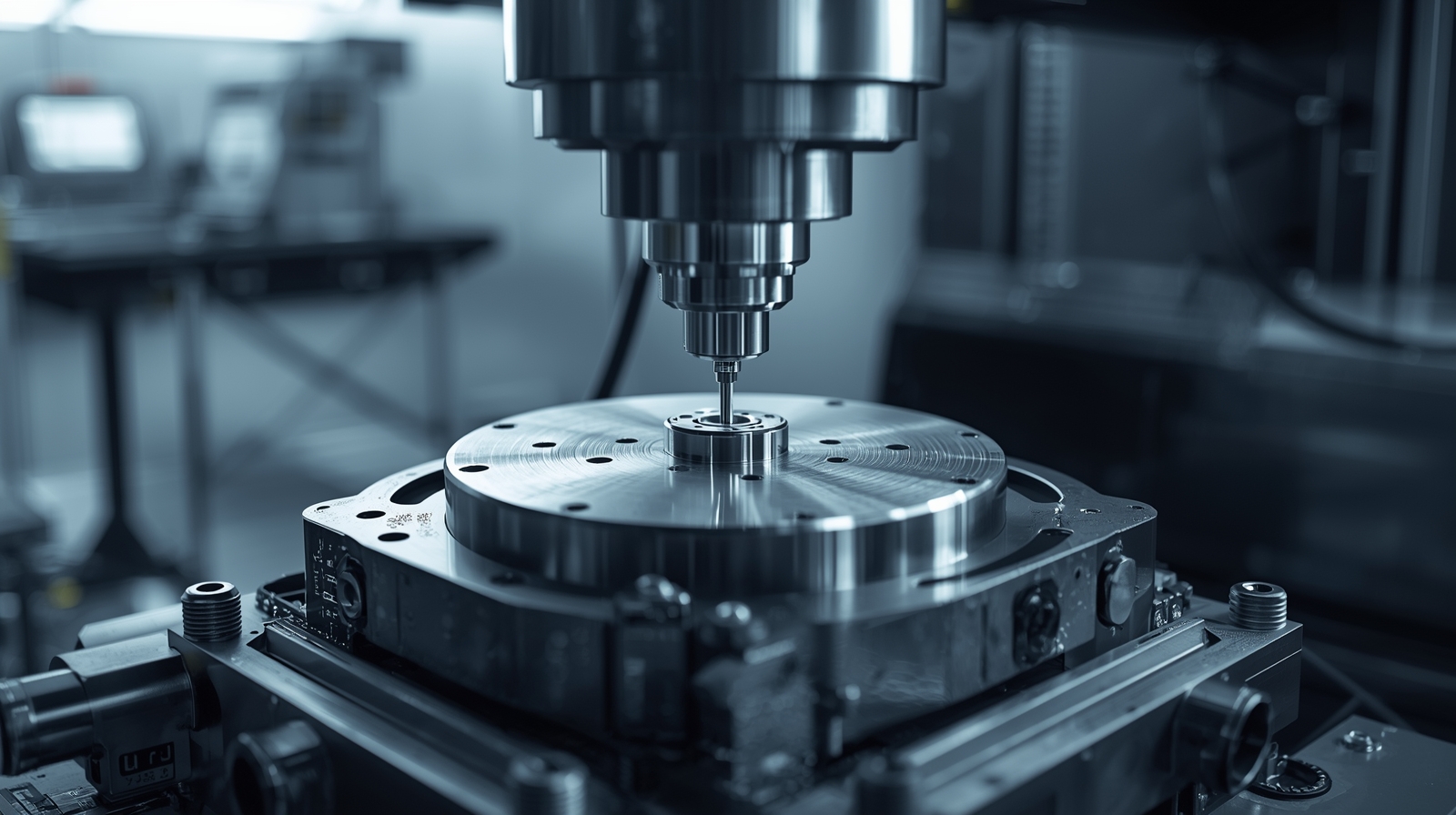
The spindle is one of the most critical parts of the CNC machine that needs to be properly examined before purchasing one. A damaged spindle can lead to vibration issues, tooling instability, costly repairs, and poor surface finishes. Look for:

  • Taper damage
  • Unusual noise
  • Runout problems
  • Heating issues
  • Bearing noise
  • Excessive vibration

A spindle rebuild, or purchase, can become a major expense after the initial purchase of the machine, so spindle inspection is one of the critical second hand CNC buying tips.

5. Inspect the Tool Changer:

One of the major factors affecting production efficiency is the automatic tool changer. Tool changer problems can interrupt machining cycles and create downtime. Make sure to inspect:

  • Proper tool clamping
  •  Tool pocket damage
  • Random tool change alarms
  • Smooth arm movement
  • Sensor errors

If the CNC machine has high capacity tool storage, make sure all the pockets function properly.

6. Inspect Electrical Components:

Electrical issues in CNC machines can be difficult and costly to repair, so a thorough inspection of the electrical components is very important before purchasing a used CNC machine. So, look for:

  • Loose wiring
  • Corroded connectors
  • Burn marks
  • Dust buildup
  • Non-original modifications
  • Cooling fan failure

Electrical systems in older CNC machines may become harder to support if components are obsolete.

7. Verify Machine Installation Requirements:

When buying a machine, it is not only important to check the price and features of the machine, but also to check the machine’s installation requirements. So before purchasing, confirm:

  • Space requirements
  • Foundation needs
  • Power requirements
  • Rigging considerations
  • Air supply requirements
  • Machine weight

Large CNC machines might need expensive transportation and installation planning. The overall project cost can include:

  • Power setup
  • Freight
  • Leveling
  • Rigging
  • Tooling preparation
  • Installation

8. Review Maintenance Records:

Last but not least, inspection of maintenance records of used CNC machines should definitely be included in the used CNC machine buying guide. So, ask the seller for:

  • Spindle rebuild records
  • Preventive maintenance records
  • Alarm logs
  • Repair history

A properly documented maintenance history often indicates better machine care. 

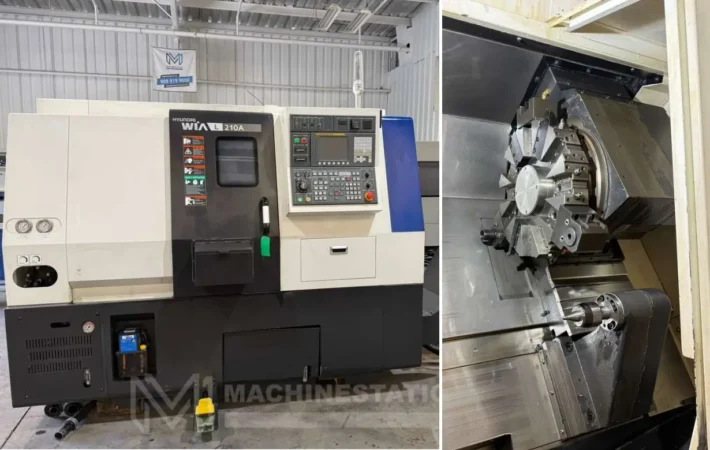
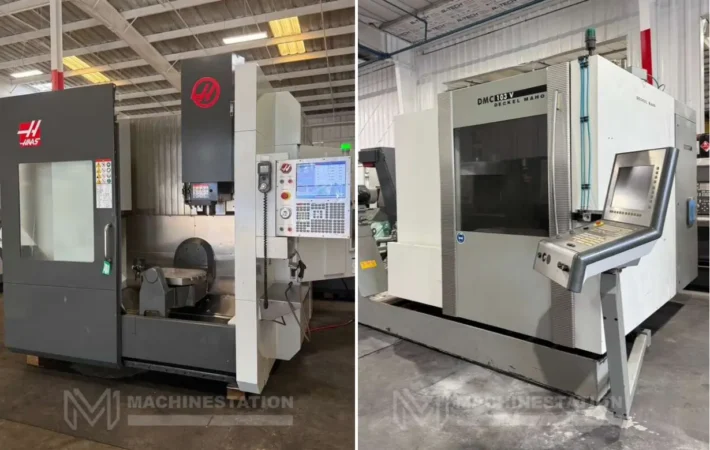
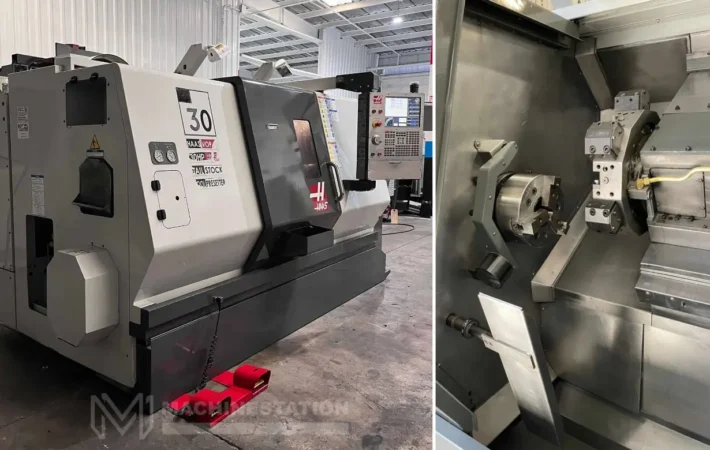
So, now if you are looking for used CNC machines in India, then check the collection of MachineStation.

Conclusion: 

When buying used CNC machines, it is important to properly inspect different factors about the machine, which include the condition of different parts and also the requirements of the CNC machine.

FAQs:

1. What is the most important thing to check in a used CNC machine?

The spindle condition is often one of the most important areas to inspect because spindle repairs can become expensive.

Some older controls may have limited parts support and compatibility issues with modern programming methods. Buyers should verify service availability and spare parts support before purchasing older CNC systems.

Many used CNC machines continue operating successfully in production environments when maintained properly. Accuracy depends on machine wear, geometry condition, spindle health, and calibration status.

Product has been added to your cart