region Choose your Region
Home / Finance Guide / Leveraging the 2026 SME Growth Fund: How to Finance Your Next Used CNC Machine Purchase

How to Finance a Used CNC Machine in India: Financing (2026 Guide)

Buying a CNC machine is one of the most important investments for any growing manufacturing business. However, many MSMEs and small manufacturers delay expansion simply because of budget constraints. Instead of waiting until enough capital is available, financing can help businesses acquire the right used CNC machine today while preserving working capital for operations, tooling, and future growth.

Whether you’re upgrading your production line, expanding capacity, or purchasing your first CNC machine, understanding today’s financing options can help you make a smarter investment. In this guide, we’ll explore practical funding solutions, financing strategies, and key considerations that can help Indian manufacturers purchase quality used CNC machines with confidence.

Key Takeaways

  • Financing a quality used CNC machine helps preserve working capital while enabling faster business expansion.
  • Compare MSME loans, equipment finance, NBFCs, and leasing options before making a financing decision.
  • Evaluate total financing cost, expected ROI, and repayment flexibility—not just the monthly EMI.
  • Always inspect the machine and obtain a detailed quotation before applying for finance.
  • Working with a trusted supplier simplifies documentation and helps you choose a machine that fits both your production needs and budget.

Why Financing a Used CNC Machine Makes Business Sense

Investing in a CNC machine is often one of the biggest financial decisions for a manufacturing business. While paying the full amount upfront may seem like the simplest option, it can significantly reduce working capital that is needed for raw materials, tooling, employee salaries, maintenance, and day-to-day operations.

Financing allows businesses to purchase the right machine without putting excessive pressure on cash flow. Instead of waiting months or years to save enough capital, manufacturers can begin production immediately and use the revenue generated by the machine to repay the investment over time.

This approach is especially beneficial when purchasing a high-quality used CNC machine. Since used machines generally cost substantially less than new equipment, financing requirements are lower while production capability often remains comparable. This combination enables manufacturers to achieve a faster return on investment (ROI).

Benefits of Financing a Used CNC Machine

  • Preserves working capital for daily operations.
  • Allows faster business expansion.
  • Reduces the need for large upfront investments.
  • Improves cash flow management.
  • Enables businesses to purchase better-quality machines within budget.
  • Provides opportunities to generate revenue immediately after installation.

For many growing MSMEs, financing is not simply a borrowing option—it is a business growth strategy that helps increase production capacity while maintaining financial stability.

Common Financing Options Available for Indian Manufacturers

Today, Indian manufacturers have multiple financing options depending on their business size, credit profile, and investment goals. Choosing the right option depends on repayment capacity, documentation, interest rates, and the type of machine being purchased.

Financing OptionBest ForKey Advantage
MSME Business LoansSmall & Medium ManufacturersCompetitive interest rates
Equipment FinanceMachine PurchasesDesigned specifically for industrial equipment
NBFC FinancingFast ApprovalsFlexible eligibility criteria
Equipment LeasingBusinesses preserving capitalLower initial investment
Working Capital LoansProduction ExpansionSupports business cash flow

Before selecting any financing option, compare repayment terms, processing fees, interest rates, and loan tenure to ensure the funding aligns with your business objectives.

If you’re planning to purchase a quality pre-owned machine, browse our Used CNC Machines inventory to explore available options before approaching a lender.

How to Choose the Right Financing Option

Not every financing solution is suitable for every business. A manufacturer planning to purchase a ₹25 lakh machine may require a different financing strategy than a company investing ₹1 crore in multiple machining centers.

Before submitting a loan application, evaluate both your current financial position and your future production goals.

Consider These Factors Before Applying

  • Total machine investment required.
  • Expected monthly production revenue.
  • Loan tenure and repayment flexibility.
  • Interest rates and processing charges.
  • Availability of government-backed schemes.
  • Machine warranty and supplier credibility.
  • Future expansion plans.

A well-planned financing decision should support long-term business growth rather than becoming a financial burden.

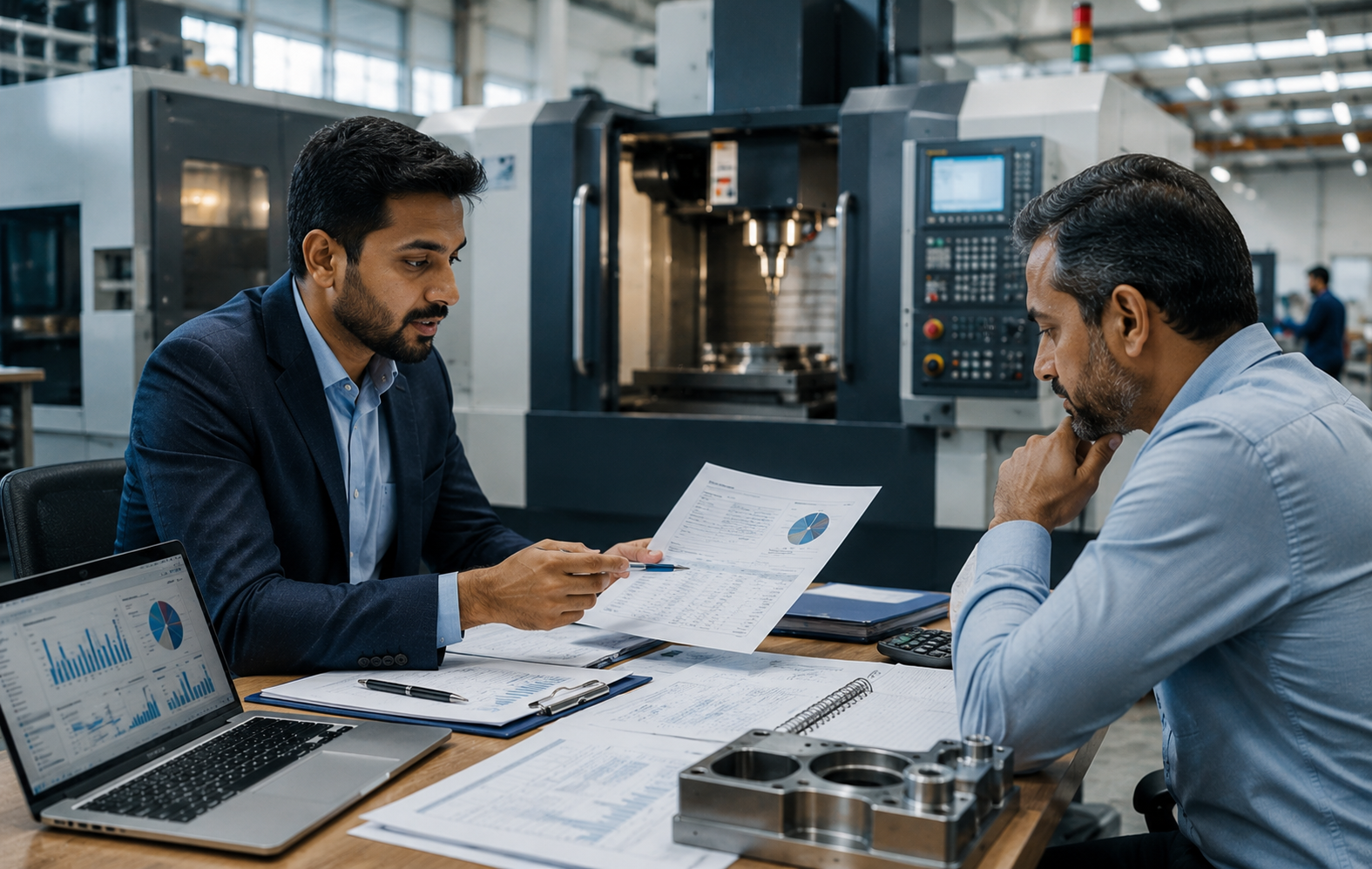
Working with an experienced CNC machine supplier can also simplify the financing process by providing accurate quotations, machine specifications, inspection reports, and technical documentation that lenders may request during approval.

Financing vs Paying Cash: Which Option Is Better?

Many business owners assume that paying cash is always the better option because it avoids interest costs. However, this is not always the most profitable financial decision.

If purchasing a machine with cash leaves insufficient funds for tooling, hiring operators, purchasing raw materials, or fulfilling customer orders, the business may actually slow its growth.

Paying CashFinancing
No monthly EMIImproved cash flow
Higher upfront investmentLower initial capital requirement
Reduced working capitalPreserves business liquidity
Limited flexibility for expansionSupports future business growth

For many manufacturers, financing a quality used CNC machine offers the ideal balance between affordability and productivity. The key is to ensure that the machine generates enough additional revenue to comfortably cover financing costs while improving overall profitability.

Common Financing Mistakes to Avoid

Securing finance for a CNC machine is only one part of the investment decision. Choosing the wrong financing option or overlooking key financial factors can increase operating costs and delay your return on investment. Before signing any agreement, manufacturers should carefully evaluate both the machine and the financing terms.

Top Mistakes Buyers Make

  • Choosing the lowest EMI without calculating the total loan cost.
  • Purchasing a machine without estimating expected production revenue.
  • Ignoring machine inspection reports before applying for finance.
  • Using all available working capital as the down payment.
  • Comparing loan interest rates but ignoring processing charges and hidden fees.
  • Buying a machine that exceeds current production requirements.

A financing decision should support business growth—not create unnecessary financial pressure. Planning your investment carefully helps ensure the machine begins generating income soon after installation.

Documents Commonly Required for CNC Machine Financing

Although documentation requirements vary between banks, NBFCs, and equipment finance providers, most lenders request basic business and financial information before approving industrial equipment loans.

Typical Documents Required

  • Business registration certificate.
  • GST registration details.
  • PAN and Aadhaar of business owner/directors.
  • Recent bank statements.
  • Income Tax Returns or financial statements.
  • Machine quotation from the supplier.
  • Company address proof.
  • KYC documents.

Having complete documentation ready before applying can significantly reduce approval time and improve the overall financing experience.

Step-by-Step Process: From Machine Selection to Financing Approval

Purchasing a used CNC machine becomes much easier when you follow a structured process. Rather than searching for finance first, start by identifying the right machine for your production requirements and then select the financing option that best matches your business goals.

StepAction
1Identify your production requirements.
2Select the right used CNC machine.
3Request a machine quotation and specifications.
4Compare financing options.
5Submit required documents.
6Complete machine inspection.
7Finalize financing and purchase.
8Install the machine and begin production.

Following this process helps manufacturers make informed purchasing decisions while reducing financial risks and avoiding unnecessary delays.

Ready to Finance Your Next Used CNC Machine?

Whether you’re purchasing your first CNC machine or expanding an existing production facility, selecting the right equipment is just as important as choosing the right financing option. A high-quality used CNC machine can provide excellent performance, lower capital investment, and faster ROI when combined with a suitable financing plan.

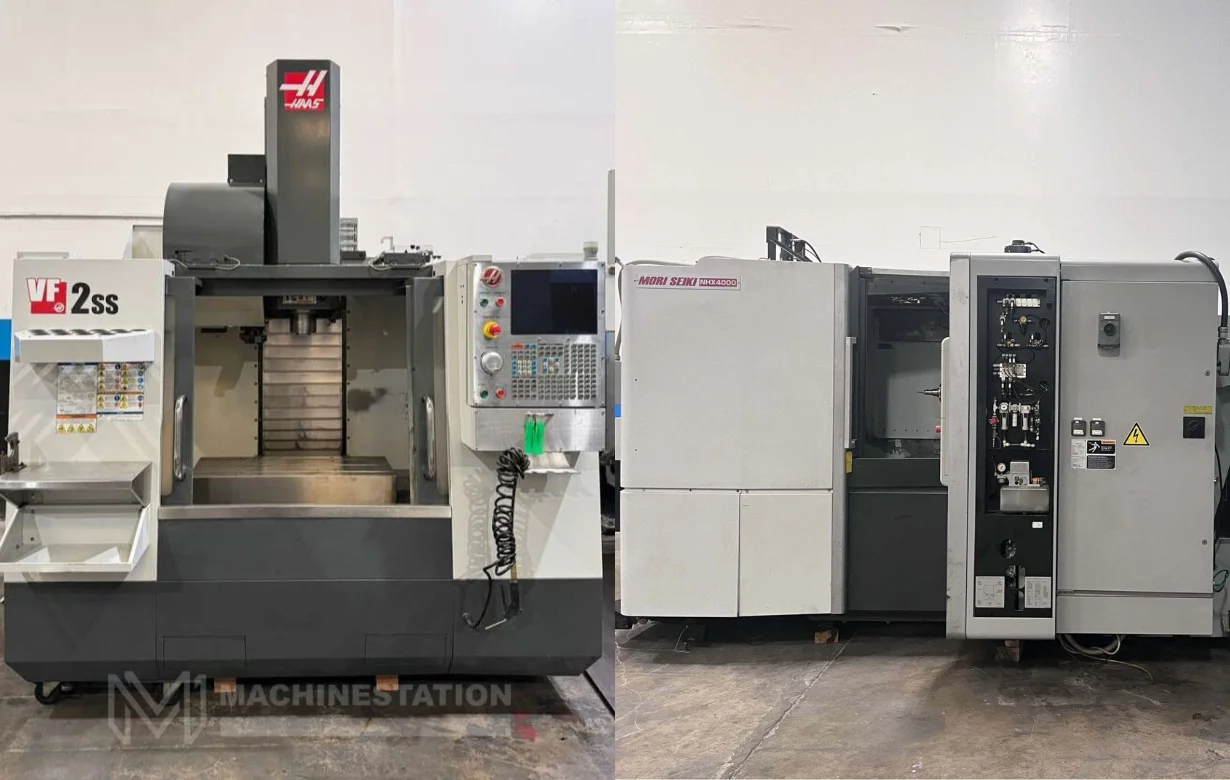
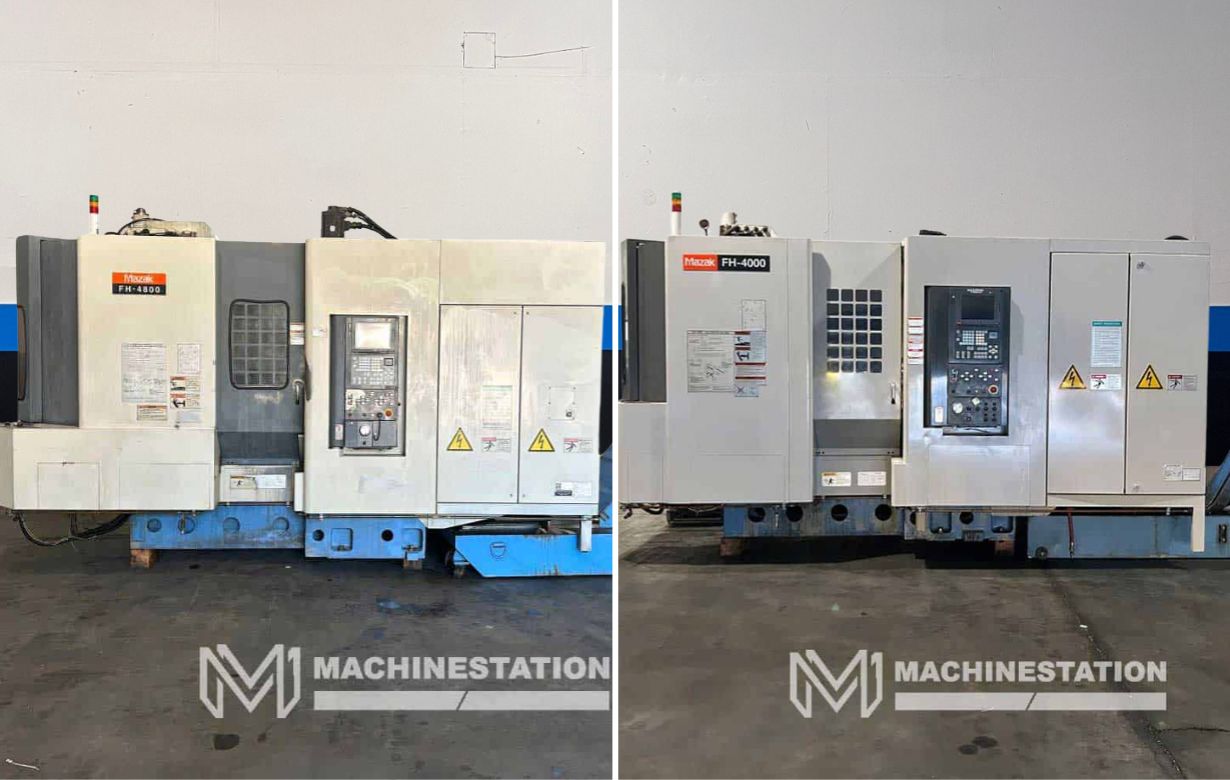
Explore our latest inventory of Used CNC Machines, including Vertical Machining Centers and CNC Turning Centers. If you need assistance selecting the right machine for your budget or production requirements, contact MachineStation India today. Our team can help you choose the right machine and provide the information required for financing discussions with your preferred lender.

Conclusion

Investing in a used CNC machine is a strategic decision that can significantly improve production capacity, operational efficiency, and long-term profitability. However, choosing the right financing option is just as important as selecting the right machine. A well-planned financing strategy helps manufacturers preserve working capital while investing in equipment that supports future business growth.

FAQs:

Can I finance a used CNC machine in India?

Yes. Many banks, NBFCs, and equipment finance providers offer financing options for used CNC machines, subject to eligibility, documentation, and credit assessment.

For many manufacturers, financing helps preserve working capital while allowing production to start immediately. The best option depends on your business cash flow and expected return on investment.

Most lenders ask for business registration documents, GST details, PAN, Aadhaar, bank statements, financial records, and a machine quotation from the supplier.

Maintain a healthy financial profile, prepare complete documentation, calculate expected ROI, and choose a trusted CNC machine supplier that can provide accurate quotations and machine details.

Product has been added to your cart